
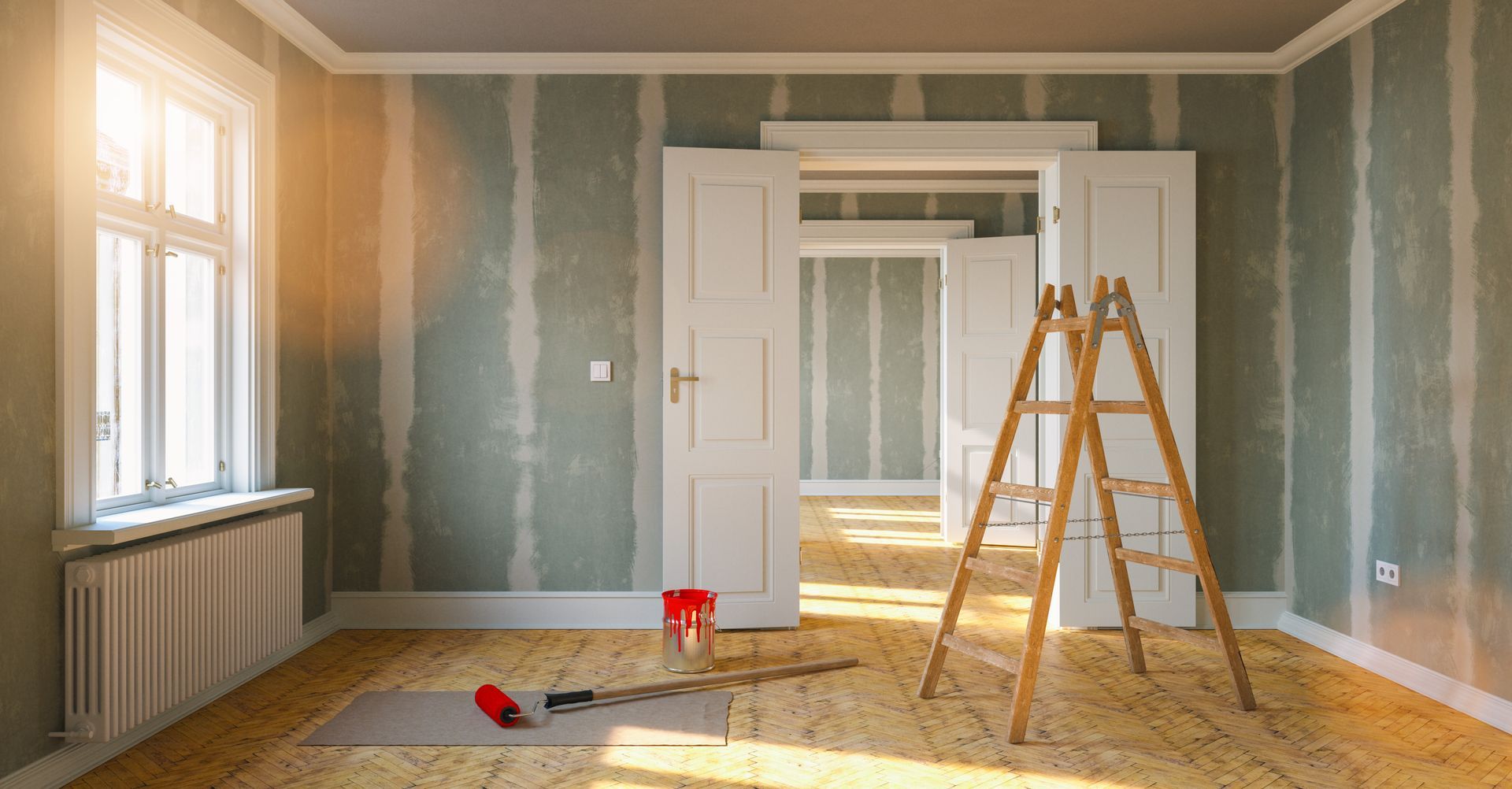
Walls That Look Finished Again
Drywall Repair in Hope Mills for holes, cracks, and damage from everyday use
Holes from removed fixtures, dents from furniture impacts, and cracks that spread from settled corners show up in nearly every home over time. Jake's Handy HQ handles drywall repair in Hope Mills when walls need restoration before painting, updating, or simply returning a room to clean condition. The work focuses on damaged sections that interrupt the smooth surface you expect from finished interior walls.
Drywall repair addresses the visible interruptions caused by accidental impacts, moved hardware, minor household projects, and general wear that leaves walls looking unfinished. The process involves cutting out compromised material around larger holes, filling dents and cracks with appropriate compound, sanding to match the surrounding texture, and preparing the surface so it accepts primer and paint without telegraphing the repair underneath.
Schedule an evaluation to review the damaged areas and confirm the steps needed.
What Proper Surface Preparation Requires
Restoring drywall means removing loose material, building up the damaged area in thin layers, and feathering edges so the transition between old and new becomes invisible once the wall is painted. Each layer must dry completely before the next application, and final sanding determines whether the repair blends or stands out under angled light.
Once the repair is complete, the wall presents a smooth, even surface that no longer draws attention to the damaged spot. You notice the absence of the problem rather than evidence of the fix—no visible seams, no textured ridges, and no shadowing when light hits the wall from windows or fixtures. The room looks ready for whatever finish or update comes next.
The service covers preparation and repair of the damaged drywall itself, though it does not include final painting or wallcovering. If the original texture was sprayed or hand-applied in a specific pattern, matching that texture exactly may require additional steps or adjustments depending on the style and age of the surrounding finish.
What Property Owners Usually Ask
These questions come up often when homeowners are planning drywall repairs.
What size holes can be repaired without replacing the entire panel?
Most holes up to about six inches across can be patched using backing material and compound, while larger breaches may require cutting back to studs and installing a new drywall section for structural integrity and a cleaner result.
How do cracks differ from holes in terms of repair approach?
Cracks typically result from settling or flexing and require reinforcing mesh tape embedded in joint compound to prevent recurrence, while holes involve filling a void and may need backer board or expanding the opening to solid edges before patching.
Why does drywall repair in Hope Mills sometimes involve multiple coats?
Each layer of joint compound shrinks slightly as it dries, so building up the repair in thin passes prevents cracking and creates a level surface that sands smooth without low spots or humps.
What causes dents and damage around door frames and corners?
High-traffic areas see repeated contact from furniture, vacuum cleaners, and everyday movement, which compresses or chips the drywall surface over time and eventually creates visible damage that interrupts the wall's appearance.
When should I repair drywall before repainting a room?
Any time the damage is visible or the surface feels uneven to the touch, addressing it before applying new paint prevents the color from highlighting imperfections and ensures the finished room looks intentional rather than patched.
Jake's Handy HQ approaches drywall repair with attention to blending and surface preparation so the wall returns to a clean, even state. Send details about the damaged area and the room's current condition to move forward with your project.